
May 12, 2026
Industry-first Climate Change Risk Assessment Model launched to help rail freight sector manage growing safety risks
The Freight Safe Programme (FSP) has launched a pioneering Climate Change Risk Assessment Model. It will provide the UK rail freight industry with a practical, standardised approach to understanding and mitigating the safety risks posed by climate change across multi-user rail freight sites.
Developed as part of the Freight Safe Programme’s Climate Change Project and supported by funding from the Freight Safety Improvement Programme (FSIP), the model is now available to all rail freight operating companies (FOCs) via the RSSB website. It represents the first co-ordinated, cross-industry effort to assess climate-related threats to FOC property assets.
Climate change is already having a measurable impact on rail freight operations, with increasing risks linked to extreme temperatures, flooding, high winds, drought, and sea level rise. The Climate Change Risk Assessment Model has been created to help the industry respond proactively to these challenges.
Developed in collaboration with independent sustainability experts Arcadis, the model draws on assessments of approximately 200 rail freight operator-owned multi-user sites. It allows users to select a specific site and hazard category, generating a clear risk ranking from low to very high. This enables site owners and operational teams to prioritise risks, develop mitigation plans and respond effectively to emerging threats.
By combining climate science with safety risk management for the first time at scale, the model bridges the gap between complex environmental data and day-to-day operational decision-making. It also supports the development of climate change adaptation reports, giving estate and property managers a structured way to plan for both current and future risks.
The initiative has been driven by a cross-industry working group, ensuring that the model reflects real operational needs while maintaining a consistent methodology across the sector. The result is an online tool that not only provides individual site insights but also delivers wider assurance that climate risks are being assessed in a standardised way across the rail freight industry.
Freight Safe Programme Climate Change Project Lead, Philip Hassall, said:
“The Freight Safe Programme is proud to have led the development and launch of the Climate Change Risk Assessment Model. This initiative brings together climate science and operational safety in a way that has not been done before, providing a practical, accessible tool that enables site teams to better understand, prioritise and mitigate climate-related risks. By working collaboratively across the industry, we are helping to build a more resilient, safer future for rail freight.
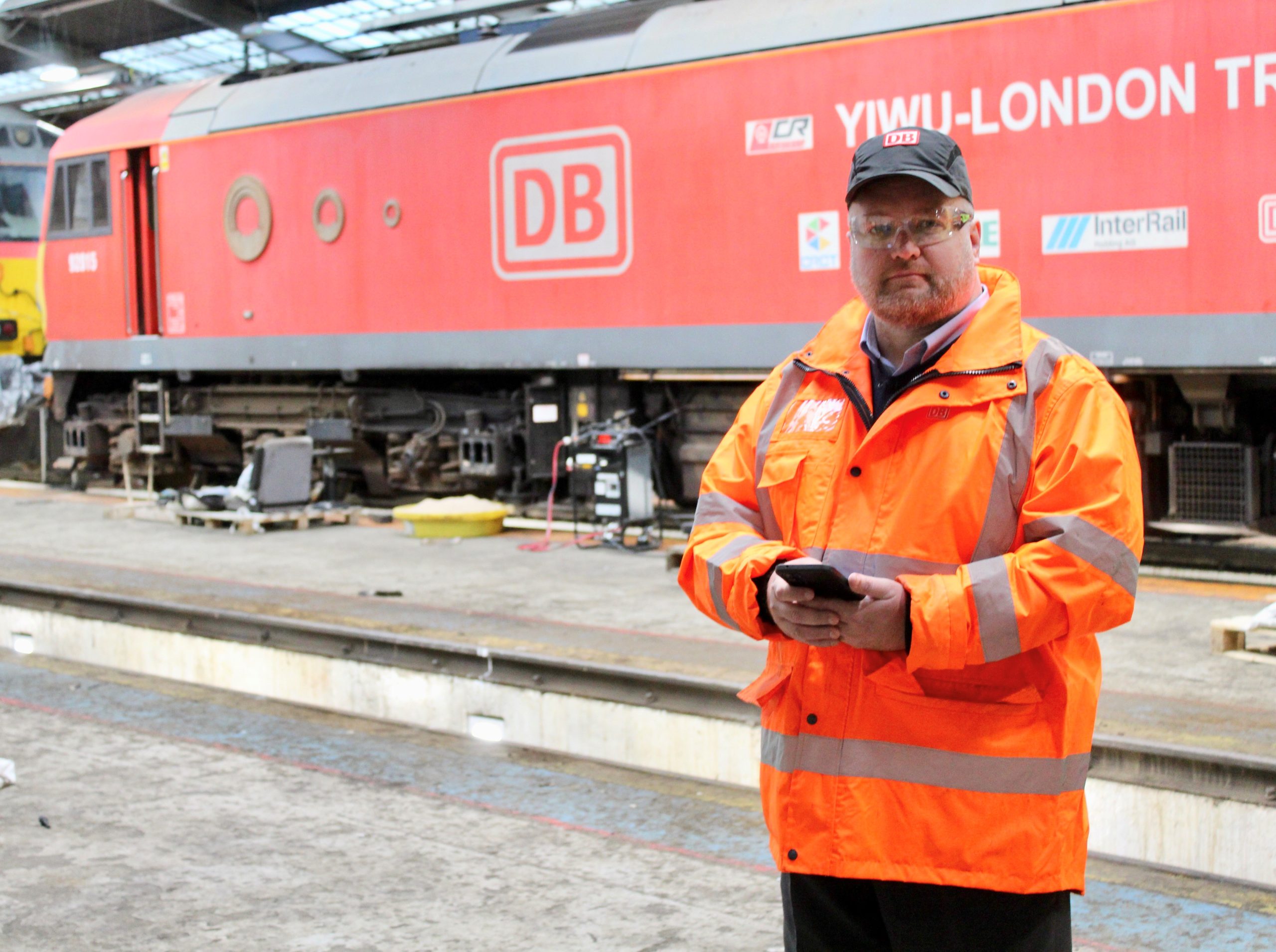
The model has already been piloted over a 12-month period at DB Cargo UK’s Crewe International Electric Maintenance Depot, where it has been used to assess real-world climate scenarios and identify site-specific risks.
Key impacts of climate change identified include the effects of extreme heat on track infrastructure, increased wind exposure along tree lines, and the risk of ballast washaway and track instability due to higher levels of precipitation. The model also highlighted the potential for increased rainfall to lead to flooding of inspection pits within the depot, presenting a direct safety and welfare concern.
Stacie Scullion, Sustainability Manager at DB Cargo UK, said:
“It is important that, as a rail freight operating industry, we are aware of the hazards that climate change can cause to sites not just now, but in the years to come, to enable us to have mitigation plans in place.
“Here at DB Cargo UK’s Crewe International Electric Maintenance Depot we have been working closely with the Freight Safe Programme to bring the model to life and use it for real case scenarios that could be caused through climate change. It allows us to plan, budget and address the impact of climate change on safety before issues arise, putting in place a clear plan for the future.”
To support rollout of the model and encourage adoption, a dedicated promotional training video has been developed by the Freight Safe Programme and is available together with a ‘how to’ manual on the RSSB website. The video is designed to engage the operational workforce responsible for managing multi-user rail freight sites across the UK, demonstrating how the model can be applied in practice.
By focusing on real-world scenarios and practical application, the video aims to support widespread uptake of the model and the implementation of Climate Change Adaptation Reports across the sector.
The Climate Change Risk Assessment Model provides the rail freight industry with an accessible, easy-to-use tool that delivers measurable benefits at both site and sector level. By enabling proactive risk management, it helps organisations stay ahead of climate-related challenges while improving safety outcomes across the network.
As climate pressures continue to evolve, this industry-first initiative ensures that rail freight operators are better equipped to protect their people, assets, and operations – both now and in the future.
To view the video click here, or view below: https://vimeo.com/1191503624/3301afa04a?share=copy&fl=sv&fe=ci